If you have spent any time navigating the modern digital gambling landscape, you have likely noticed a shift. The desktop-heavy, credit-card-focused deposit pages of the early 2010s are disappearing. In their place, we see a heavy emphasis on mobile-first payment methods. From operators like MrQ to regional news outlets like Eye On Annapolis highlighting the shift in consumer habits, the industry is clearly pivoting toward a mobile-centric https://varimail.com/articles/instant-bank-transfer-casino-deposits-what-to-expect/ future.
As someone who has spent nine years designing onboarding flows and auditing payment user experience (UX) for fintech and gambling platforms, I know exactly why this is happening. It isn’t just about convenience. It is about a fundamental change in how data, risk, and user behavior intersect on the small screen. However, we need to strip away the marketing fluff. When a platform claims a transaction is “instant,” they are often ignoring the complex “handshakes” happening behind the scenes. Let’s break down the technical reality of why casinos are pushing these mobile-first methods.
The Technical Backbone: APIs and Payment Gateways
To understand why mobile-first payments are prioritized, you first have to understand the underlying infrastructure. Most casinos don’t process money themselves. They rely on Payment Gateways—the secure server-side software that acts as an intermediary between the user’s bank or phone carrier and the casino’s database. To make this work seamlessly on a smartphone, developers use Application Programming Interfaces (APIs). An Application Programming Interface (API) is a set of rules that allows two different pieces of software to talk to each other without human intervention.
When you click “deposit,” an API call goes from the casino to the payment gateway. The gateway then reaches out to the financial institution. The reason casinos push mobile-first methods is that these APIs are now highly optimized for mobile operating systems like iOS and Android. By keeping the user within the mobile ecosystem, the casino reduces the chances of the connection “timing out” or the user getting distracted by switching between apps. This is all about reducing friction—the extra, unnecessary steps that cause a user to abandon a transaction.

What is "Deposit by Phone" and Carrier Billing?
One of the most heavily promoted mobile-first features is "deposit by phone," often referred to as carrier billing. In this model, the deposit amount is added to your monthly mobile phone bill or deducted from your prepaid balance.
From a UX perspective, this is the ultimate reduction in friction. Instead of digging for a physical credit card, memorizing a long card number, or remembering a password for an e-wallet, the user simply confirms the transaction via their mobile carrier. This process usually involves two steps:
The user selects the mobile carrier billing option. The user confirms the charge via a one-time SMS (Short Message Service) code or a biometric tap.However, I caution users against the marketing claim that this is "instant." While the *experience* feels instantaneous because you aren’t typing in card details, the backend process is actually quite rigorous. The API must verify that your carrier supports the payment, check that you have enough headroom in your billing cycle, and ensure that your account is in good standing. reducing latency in payment apps This isn't magic; it is a rapid, automated credit check.
The Friction Factor: Why Desktop Flows Fail
Friction is the silent killer of conversion rates. In my nine years of UX work, I have found that every time you force a user to change their context, you lose a percentage of your audience. If a user is on their phone and the casino requires them to pull out a credit card, look up their CVV (Card Verification Value), and perhaps trigger a secondary bank authentication app, the user is likely to get frustrated and leave. This is why mobile-first payments are so aggressive in their implementation.
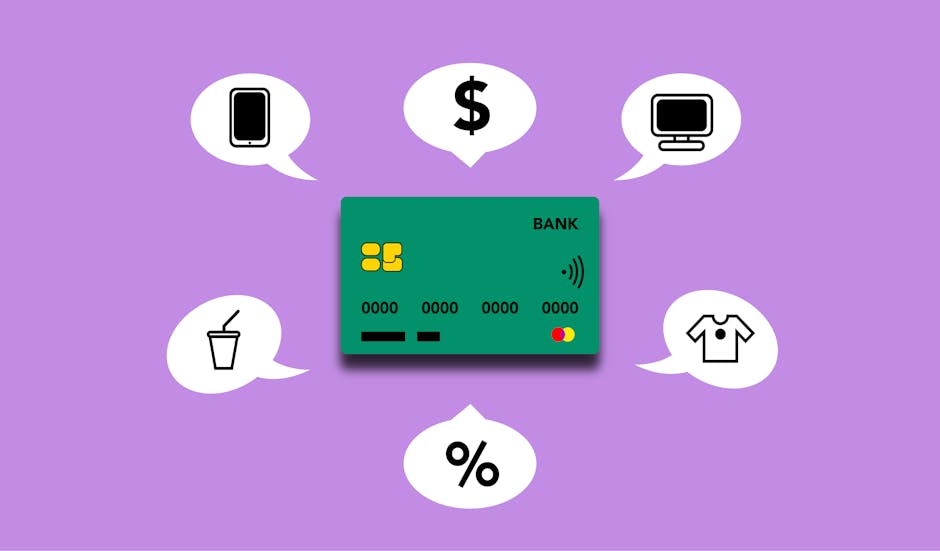
Mobile-first methods, such as those often championed by platforms like MrQ, prioritize native mobile features. By utilizing biometrics—like FaceID or fingerprint scanning—to authorize a payment, the casino removes the need for manual data entry. If the user doesn’t have to type, they don’t have to think. If they don’t have to think, they are more likely to complete the transaction.
Regulatory Scrutiny: FTC and Compliance
Of course, this push toward mobile-first payments doesn't happen in a vacuum. Regulators, including the Federal Trade Commission (FTC)—the U.S. agency responsible for protecting consumers and promoting competition—have a keen interest in how these payments are handled. Any time you move money through a mobile carrier, you are introducing a third party into a highly regulated industry.
The FTC is particularly concerned with clear disclosure. When an operator pushes a mobile-first payment method, they must ensure the user understands that they are, in fact, spending real money. A common failure in mobile UX is hiding the financial implication behind a "One-Tap" button. Even though mobile-first methods offer a frictionless experience, transparency cannot be a casualty. Good UX means that even if the transaction is fast, the user is never confused about what they are authorizing.
Comparison: Traditional vs. Mobile-First Payments
To help you understand the architectural differences, I have compiled a breakdown of how these methods compare in a typical casino checkout environment.
Feature Traditional Methods (Cards/Wire) Mobile-First (Carrier/Digital Wallet) Data Entry High (16 digits + expiry + CVV) Low (Biometric or single-tap) Authentication Manual (3D Secure/Bank Portal) Automatic (Device-level APIs) Friction Level High (Multiple windows) Low (Native flow) Backend Complexity Standard Gateway Handshake Multi-layered API verificationAddressing the "Instant" Myth
I have a personal vendetta against the word “instant” in marketing copy. When a casino advertises an "instant deposit," what they are really doing is managing expectations through pre-authorization. The API for these mobile methods is designed to provide a "probabilistic approval."
Essentially, the payment gateway is assessing the risk of the transaction in milliseconds based on your history and carrier status. If the risk is low, they let the transaction proceed immediately, reconciling the actual funds with the carrier later. It feels instant because they have essentially fronted the transaction for you. Understanding this distinction is vital for any consumer. It isn't that money has bypassed the banking system; it is that the system has become sophisticated enough to grant you access before the ledger is fully settled.
Final Thoughts: A User-Centric Evolution
The gambling industry is not moving to mobile-first payments just because it looks modern. They are doing it because the data supports a massive reduction in abandonment rates. By integrating directly with phone carriers and utilizing modern API-driven gateways, they have streamlined the most painful part of the user experience: the hand-off between the app and the bank.
As you encounter these payment flows on sites mentioned in industry coverage or on specialized gambling forums, remember to look for the friction. If the process is truly optimized, you shouldn't have to leave the app, you shouldn't have to input long strings of data, and you should always be clearly informed of the financial commitment you are making. As a consumer, you should be demanding both the speed of a mobile-first flow and the clarity of a transparent operator. If the flow feels too fast to be true, double-check your account settings—and always keep an eye on your monthly phone statement.