Lending your phone to a friend or family member? Before handing over a device that has Bingo Plus installed, taking a few security and privacy steps can save you from potential headaches later. Bingo Plus, like many entertainment and gaming apps, often holds sensitive data including session logins, payment info, and personal preferences. This underscores the need to lock down permissions, disable biometric access, and manage notifications carefully.
In this post, I’ll walk you through clear and actionable steps. From verifying the app’s origin, adjusting permission settings on both Android and iOS/iPadOS, to logging out and clearing sensitive info — consider this your checklist before sharing your device with others.
Why Care About Bingo Plus Security Before Lending Your Phone?
- Unintended access: Someone borrowing your phone might peek at your game balance, betting history, or payment data. Privacy leaks: Notifications showing betting prices or deposits on your lock screen might reveal private info to strangers nearby. Data misuse: Support conversations requesting one-time codes could be exploited if left accessible. Permissions abuse: The app might have more rights than you realize, such as camera or mic access.
Because of these reasons, a bit of prep before lending out your phone can go a long way. Let’s break it down step by step.
Step 1: Verify Bingo Plus Is Downloaded from a Safe Source
First — always confirm that your Bingo Plus app is from a verified, official source. Attackers sometimes upload fake or tampered copies of popular apps to shady websites or stores. Using a compromised app puts your data at risk.
To confirm the app is genuine:

When reading or sharing URLs where bingo plus APK Bingo Plus information or support is found, read the full domain out loud to confirm it’s legitimate. For example, www.bingoplusOfficial.com is very different from bingoplus-support.xyz. Speaking it aloud helps catch suspicious domains.
Step 2: Review and Adjust App Permissions
Bingo Plus, like many apps, can ask for permissions beyond what’s needed to play. Some users overlook this, which opens doors for privacy intrusions.
Permissions audit: I keep a personal permissions checklist after every OS update — this habit helps catch unexpected changes.
Android Privacy Controls
Open Settings on your Android device. Tap Apps & notifications, then select Bingo Plus. Look for Permissions and tap it. Review each permission: Camera, Microphone, Location, Storage, etc. Disable anything that’s not necessary for your Bingo Plus use. For example, camera access might not be essential. Back out and tap Notifications while here to adjust alert types.iOS/iPadOS Privacy Controls
Open the Settings app on your iPhone or iPad. Scroll down and find Bingo Plus. Tap it to see permissions like Photos, Microphone, Camera, Location. Disable those that the app doesn’t truly need. Then return to Settings > Notifications > Bingo Plus to control alert styles.Permission awareness means understanding when the app uses each permission. For example, if Bingo Plus suddenly requests microphone access while you’re just viewing betting options, that’s a red flag.
Step 3: Disable Biometric Access and Log Out of Active Sessions
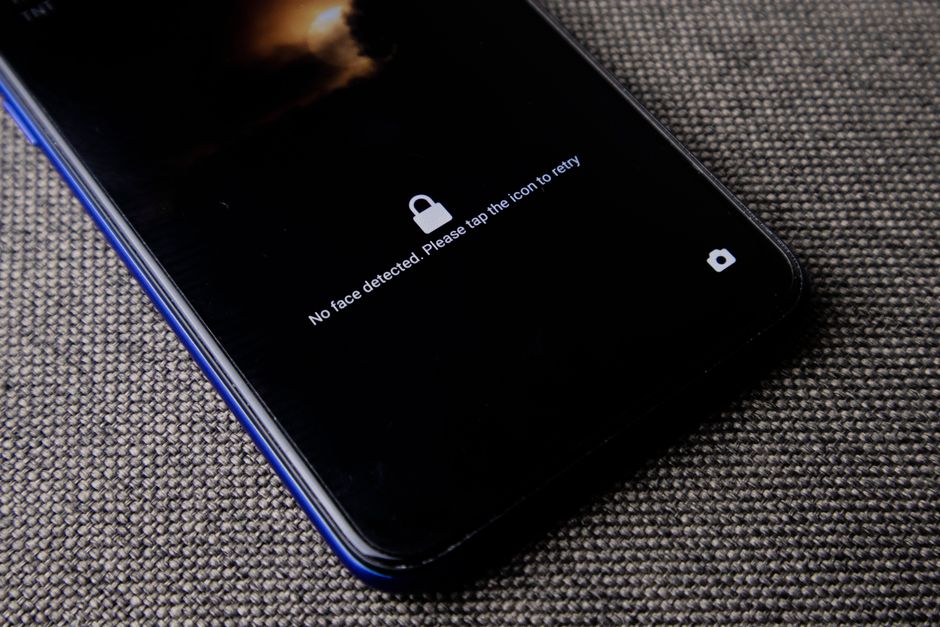
Biometric access (fingerprint, Face ID) lets you unlock apps quickly, but it can be risky when lending your phone. Someone else could use your face or fingerprint to open Bingo Plus.
Open Bingo Plus’s settings or profile section in the app. Find options related to biometric login or fingerprint/Face ID access. Disable these features before handing over your phone. Next, log out of your Bingo Plus account completely. This ensures the borrower cannot access your current sessions. If Bingo Plus supports multiple device sessions, revoke other active ones from the account security page (usually via the app or website).
Logging out and disabling biometric access prevents unauthorized bingo bets or changes.
Step 4: Manage Notification Settings (Lock Screen Previews, Badges, Sounds)
Under notification settings, many users forget that lock screen previews can reveal sensitive info such as recent deposits, prices, or game progress. This is particularly important for Bingo Plus where such info might be displayed in notifications.
Go to your device Settings > Notifications > Bingo Plus. On Android, toggle off lock screen notifications or set them to “Hide sensitive content.” On iOS/iPadOS, choose “Show Previews: When Unlocked” or “Never” to avoid showing details on the lock screen. Consider disabling notification badges (the little red circles) on the app icon, so the borrower won’t see at-a-glance updates. If you want to silence sounds, adjust that here too.This step prevents accidental exposure of prices, deposit amounts, or promotions — those numbers aren’t just entertainment info, they’re private.
Step 5: Remove Sensitive Screenshots and Account Info
Many users like to take screenshots of bonuses, promos, or recent transactions so they can track them. Before lending your phone, remove these sensitive images to avoid exposing details or support chats that may contain one-time codes or personal info.
Open your Photos or Gallery app. Delete screenshots or photos that show Bingo Plus account info, betting histories, or promo details. Clear any saved passwords, autofill info, or notes referencing Bingo Plus. If you use password managers with autofill for Bingo Plus login, briefly disable autofill before lending your phone.I find this step easy to miss, but it’s super important if you keep sensitive content on your device.
Step 6: Practice Data Minimization and Handle Support Requests Safely
Only give Bingo Plus the permissions it absolutely needs, and be cautious about support conversations. Many support accounts ask you to confirm one-time codes or private info, which can be exploited.
- If you’ve contacted Bingo Plus support via chat, delete those conversations before lending your phone. Never share one-time codes or passwords with anyone asking through a chat or message, even if they claim to be support. If your borrower needs Bingo Plus support, direct them to official channels via verified domain URLs and instruct them not to share sensitive info over chat unnecessarily.
This reduces the risk of social engineering attacks or unauthorized access.
Summary: Your 6-Point Permission & Privacy Checklist Before Lending Your Device
Step Number Action Why It Matters 1 Verify Bingo Plus is from official app store; read full domains aloud when visiting support sites Prevents fake or compromised app installs 2 Review and disable unnecessary permissions in device settings Minimizes data access and misuse risk 3 Disable biometric access and log out of all active Bingo Plus sessions Prevents unauthorized access via biometrics or saved sessions 4 Adjust notification settings to hide lock screen previews and disable badges/sounds Stops sensitive info like prices and deposits from showing publicly 5 Delete Bingo Plus screenshots, sensitive photos, and autofill info Protects your private info from accidental viewing 6 Practice data minimization; delete support chats that contain one-time codes Reduces risk of social engineering and unauthorized accessFinal Thoughts
Lending your phone with Bingo Plus installed doesn’t have to mean exposing your gaming account, payment details, or private conversations. With these clear, step-by-step tips—focused on disabling biometric access, logging out, permissions management, and notification controls—you can share your device more safely.
Remember: Always check where you download apps from and read the full web domains for support pages out loud. Avoid vague advice that says “just trust the link.” When in doubt, go straight through known app store links.
By taking the time now to follow this checklist, you’ll protect your digital privacy and enjoy peace of mind when lending your phone.